L'Oreal
Adding Beauty to the Cart
The Indian Beauty Consumer Has Changed How She Shops
The Indian beauty market has moved faster than almost any other consumer category in recent years. The modern Indian beauty consumer, young, urban, informed and increasingly unwilling to accept products that don't genuinely work for her skin type and concerns, has shifted her discovery and purchase decision making almost entirely onto social platforms.
She finds products through creators whose skin concerns mirror her own. She evaluates through comment sections, side by side comparisons and tutorial videos showing the product working in real conditions. She buys through the link in a bio or a shoppable tag in a story. The traditional awareness to purchase funnel that beauty brands spent decades optimising has collapsed into something much shorter, more personal and entirely social.
Operating natively within that world, and converting the significant brand engagement the company was already generating into direct e-commerce revenue, was the task L'Oreal India needed solved.
Engagement Without Revenue to Show for It
The brand equity, the product quality and the marketing investment were all present. But the digital architecture wasn't translating those assets into conversion efficiently. Instagram reach was lower than it should have been for a brand of L'Oreal's scale and content investment. The gap between people seeing and engaging with content and actually completing a purchase was wide. Performance campaigns were running but the creative hadn't been built for the specific context of a social feed where attention lasts only seconds.
How we
solved it.
The influencer programme was rebuilt around relevance rather than reach. More than 25 partnerships were activated across the engagement, selected because their audiences matched L'Oreal's target buyer rather than because of impressive follower counts. A creator with 80,000 followers whose audience is the exact demographic L'Oreal wants to reach will consistently outperform a creator with 2 million followers whose audience is misaligned. That principle drove every single partnership decision.
Each creator received a detailed brief covering specific products, usage contexts that would resonate with their particular community and content formats that had proven effective in the beauty category. Shoppable content was built into every collaboration: direct purchase links, creator specific discount codes for tracking performance and product tagging to allow followers to move from watching to buying without leaving the platform.
Meta campaigns were rebuilt with creative designs specifically for the environments where it would run. Feed ads prioritised a strong first frame to stop the scroll before communicating the product. Stories and Reels were produced vertical native rather than adapted from horizontal formats. Retargeting audiences were structured around meaningful engagement signals: video viewers, people who had visited the profile and website visitors who had browsed specific product pages without adding to cart.
The product pages that social traffic landed on were also rebuilt to match the expectations of someone who had already been warmed by creator content. Richer imagery, ingredient and benefit information framed in the language the creator community had been using, and a simplified purchase path all contributed to the 200% improvement in e-commerce conversion rate.
The work,
in view.
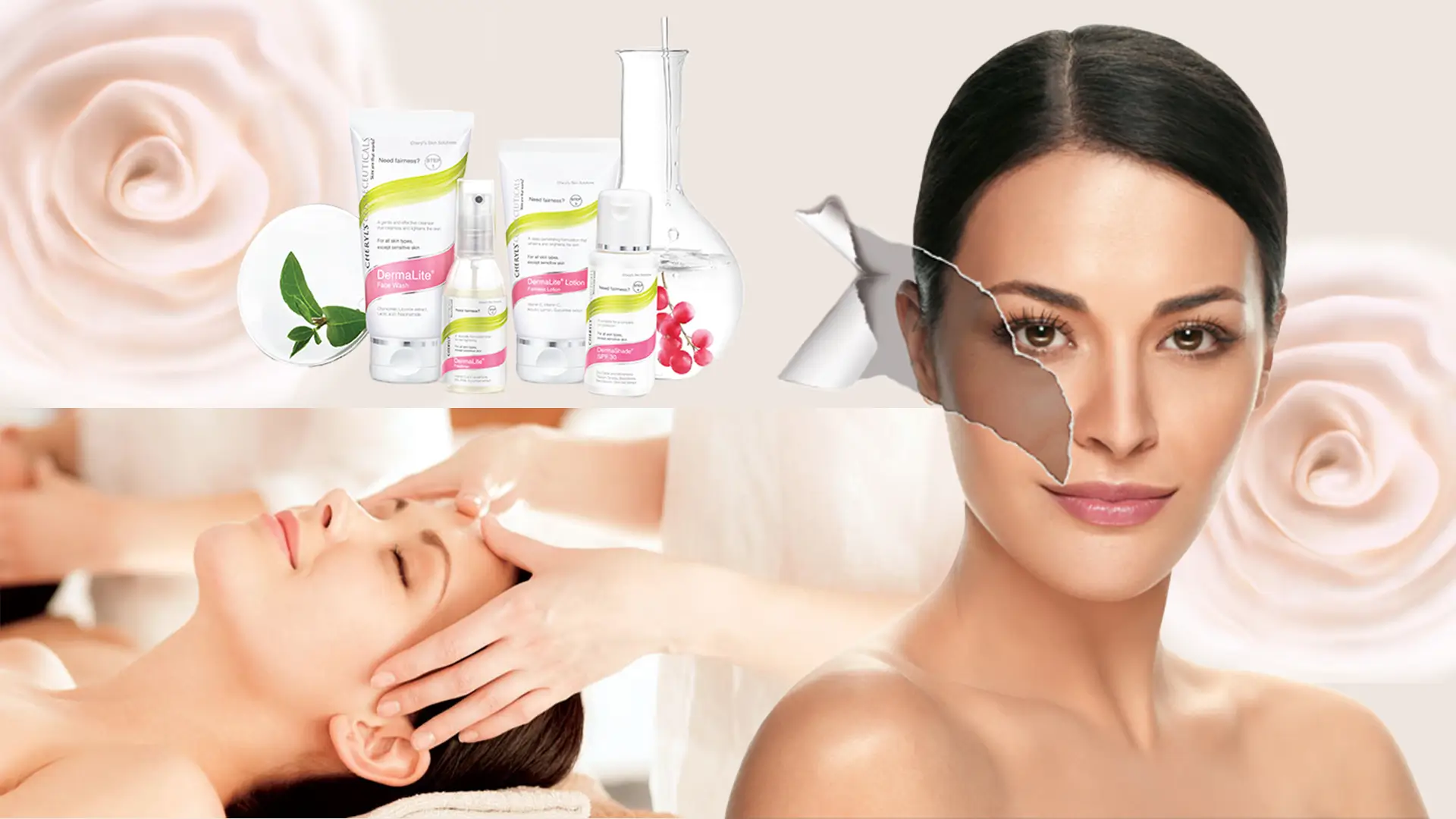
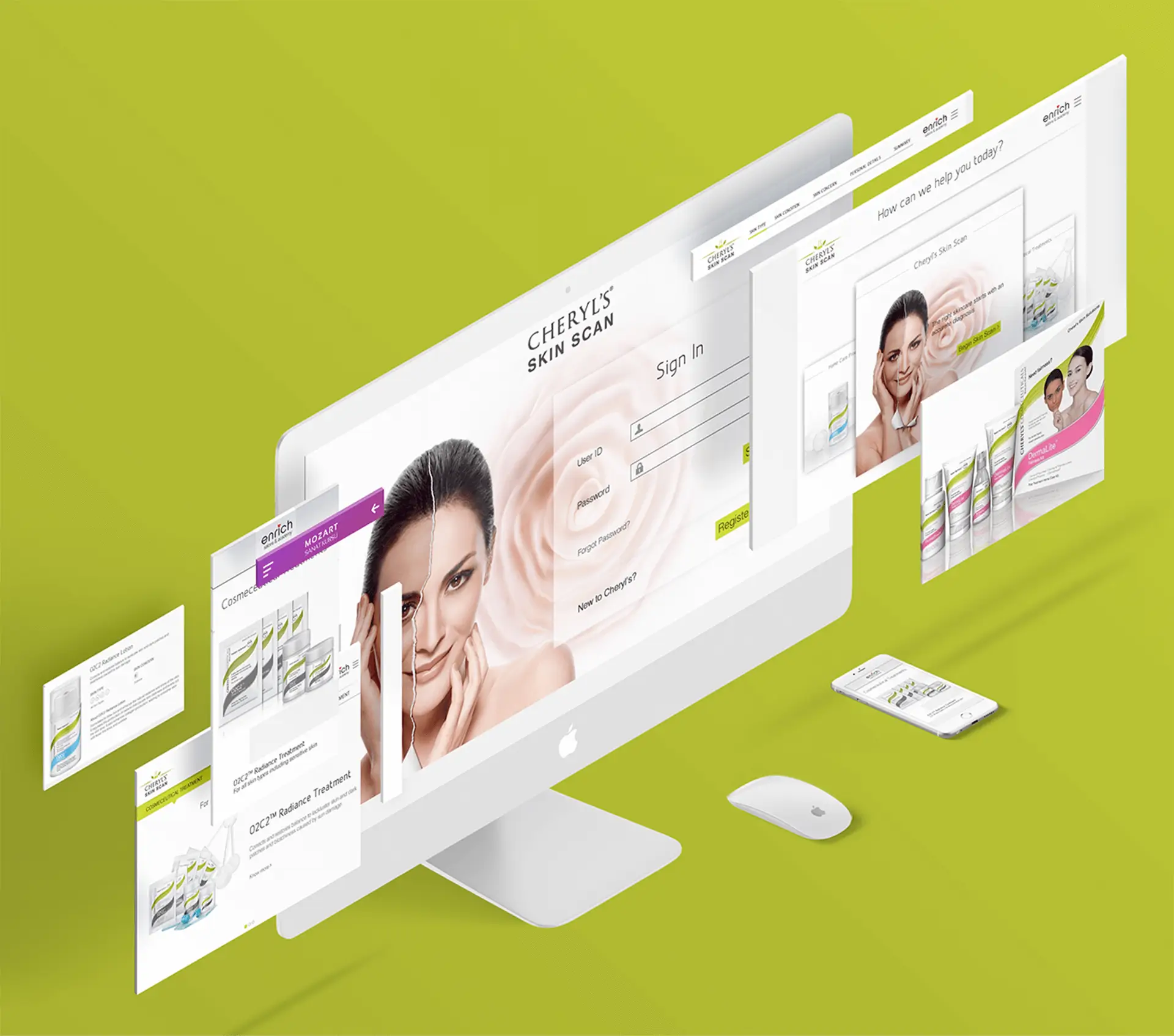
The L'Oreal India
outcome.
ROAS on performance campaigns reached 4.8x. Instagram reach grew by 300%. E-commerce conversion improved by 200%. These numbers reflect a social commerce model that is working structurally rather than a campaign that got lucky once. Creator partnerships, audience development and shoppable content infrastructure are assets that keep generating returns after the initial investment, the same compounding logic behind Xyst's brand transformation and social commerce launch, and ADF Soul Foods' social first FMCG growth built on repeat purchase behaviour.