Website Redesign Services: When Should You Upgrade Your Business Website?
Your website may still be online.
It may still receive visitors.
It may even generate occasional enquiries.
But that doesn't necessarily mean it's helping your business grow.
Many businesses continue using websites that were built several years ago simply because they "still work." The reality is that customer expectations, search engines, technology, and digital buying behaviour evolve much faster than most websites.
A website that once looked modern can quickly become outdated—not just visually, but strategically.
Slow loading speeds, confusing navigation, poor mobile experiences, weak conversion paths, and outdated content quietly reduce business opportunities every day.
These issues often go unnoticed because they don't stop your website from functioning.
They simply stop it from performing.
Professional Website Redesign Services are not about changing colours or replacing images.
They are about transforming your website into a business asset that attracts visitors, builds credibility, improves user experience, and converts more prospects into customers.
This guide explains the signs that indicate it's time for a redesign, what businesses should expect from the process, and how a strategic website upgrade supports long-term business growth.
Your Website Is More Than an Online Brochure
Years ago, businesses treated websites as digital brochures.
Their purpose was simply to provide company information and contact details.
Today's customers expect far more.
Before speaking with your sales team, potential buyers often evaluate your credibility through your website.
They compare competitors.
Read service pages.
Explore case studies.
Check testimonials.
Browse portfolios.
Research pricing.
Review frequently asked questions.
A modern website guides visitors through this decision-making journey.
When that experience feels outdated or confusing, trust begins to decline before the first conversation even happens.
Why Businesses Delay Website Redesigns
Many organizations recognize that their website needs improvement but continue postponing the decision.
Common reasons include:
- "The website still works."
- "We're too busy."
- "We'll redesign after launching our new service."
- "Our marketing team can manage with the current site."
While understandable, delaying improvements often costs more than investing in them.
Lost enquiries.
Poor customer experiences.
Lower search visibility.
Reduced conversions.
Declining credibility.
These hidden costs accumulate over time.
10 Signs It's Time to Upgrade Your Website
Rather than redesigning because competitors have updated their websites, businesses should evaluate measurable indicators.
Here are the strongest signals.
1. Your Website Looks Outdated
First impressions happen within seconds.
An outdated layout, inconsistent typography, old imagery, or cluttered design can reduce confidence immediately.
Visitors often associate the quality of your website with the quality of your business.
A modern design communicates professionalism, reliability, and attention to detail.
2. It Doesn't Work Well on Mobile Devices
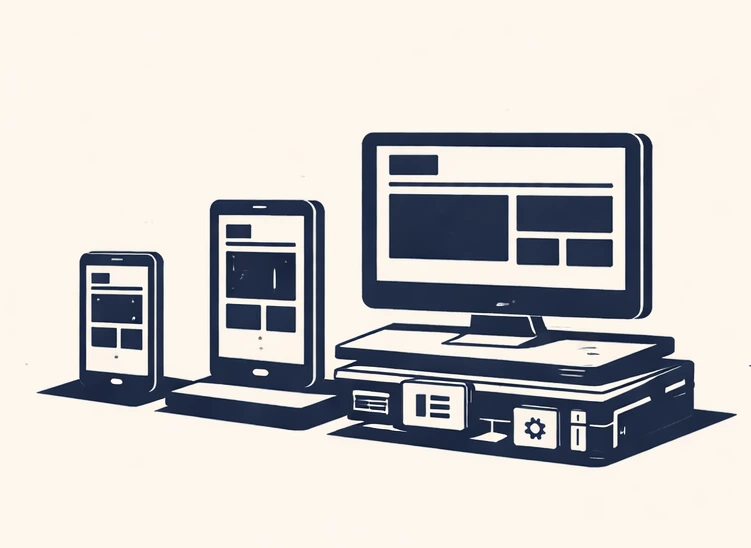
Most users now browse websites on smartphones.
If visitors need to zoom, scroll horizontally, or struggle to complete forms, they are likely to leave before taking action.
Responsive design is no longer optional.
It's a business necessity.
3. Slow Loading Speeds Are Driving Visitors Away
Every additional second of loading time increases the likelihood that visitors abandon your website.
Speed also influences search visibility and overall user experience.
Common performance issues include:
- Large image files
- Outdated code
- Excessive plugins
- Poor hosting
- Unoptimized scripts
Improving website performance often produces immediate business benefits.
4. Your Website Doesn't Reflect Your Current Business
Businesses evolve.
Services expand.
Products change.
Teams grow.
Markets shift.
Yet many websites continue presenting outdated information for years.
An effective website should accurately represent your current expertise, positioning, and value proposition.
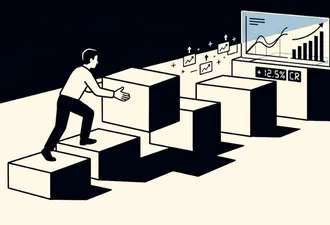
5. Visitors Aren't Converting Into Leads
Traffic alone doesn't grow a business.
Conversions do.
If visitors arrive but rarely enquire, request quotations, or complete contact forms, the issue may not be marketing.
It may be the website itself.
Poor calls-to-action, confusing navigation, lengthy forms, and weak messaging often reduce conversion rates.
6. Managing Content Has Become Difficult
If every small content update requires developer assistance, maintaining your website becomes slow and expensive.
Modern content management systems enable businesses to update pages, blogs, images, and announcements efficiently.
A redesign should improve usability for both visitors and internal teams.
7. Search Visibility Continues Declining
Search engines increasingly reward websites that provide excellent user experiences.
Outdated architecture, technical issues, poor page structure, and weak performance can reduce visibility over time.
A redesign creates an opportunity to improve technical foundations alongside content quality.
8. Your Competitors Offer Better Digital Experiences
Customers naturally compare multiple businesses before making decisions.
If competitor websites provide clearer messaging, faster navigation, stronger visuals, and easier enquiry processes, your business may lose opportunities—even if your products or services are superior.
9. Your Website Cannot Support New Business Goals
Perhaps your business now wants to:
- Generate more leads
- Sell products online
- Offer appointment bookings
- Launch new services
- Expand internationally
- Publish educational content
Older websites often lack the flexibility required to support these initiatives effectively.
10. Your Marketing Efforts Aren't Producing Expected Results
Businesses sometimes increase advertising budgets without realizing the website has become the weakest part of the customer journey.
Paid campaigns, search optimization, social media, and email marketing all direct visitors to your website.
If that experience is poor, marketing performance suffers regardless of budget.
A Website Redesign Is a Business Strategy
Many organizations view redesign projects as design exercises.
Successful businesses approach them differently.
Every improvement should answer a business question.
Can visitors understand our services more quickly?
Can they trust our expertise?
Can they find information easily?
Can they complete enquiries without friction?
Can our website support future growth?
When business objectives shape the redesign process, better commercial outcomes follow.
The Futuready Website Transformation Framework
Rather than beginning with colours and layouts, successful redesign projects follow a structured process.
Discover
Understand business goals, customer expectations, competitors, and current website performance.
Evaluate
Identify usability issues, technical limitations, conversion bottlenecks, and content gaps.
Redesign
Create a modern user experience that reflects the brand while improving navigation and engagement.
Optimize
Enhance speed, mobile responsiveness, accessibility, technical SEO, and conversion paths.
Launch
Deploy the redesigned website with proper testing, redirects, analytics, and quality assurance.
Improve
Continuously monitor user behaviour and refine the website based on real performance data.
This framework ensures a redesign becomes an investment in business growth rather than simply a visual refresh.
A Great Website Supports Every Marketing Channel
Your website sits at the centre of your digital ecosystem.
Whether visitors arrive from search engines, advertisements, email campaigns, referrals, or social media, the website ultimately determines whether interest becomes action.
An effective website strengthens every marketing initiative by delivering a seamless, trustworthy experience.
Common Mistakes Businesses Make During a Website Redesign
A website redesign is a significant investment. However, many projects fail to deliver expected results because the focus remains on appearance rather than business performance.
Here are some of the most common mistakes to avoid.
Redesigning Without Clear Goals
Many businesses begin a redesign by saying, "We want a modern website."
While aesthetics are important, they shouldn't be the primary objective.
Instead, define measurable outcomes such as:
- Increasing qualified enquiries
- Improving conversion rates
- Reducing bounce rates
- Supporting online sales
- Enhancing customer engagement
A successful redesign starts with business objectives.
Ignoring Existing Performance Data
Your current website already contains valuable insights.
Analytics can reveal:
- Most visited pages
- Highest-converting content
- Exit pages
- User behaviour
- Traffic sources
Ignoring this information means losing opportunities to improve what already works.
Forgetting SEO During the Redesign
One of the biggest risks during a redesign is losing search visibility.
Businesses sometimes launch a new website without preserving URLs, metadata, internal links, or redirects.
This can result in significant drops in organic traffic.
An effective redesign should strengthen technical SEO, not reset years of progress.
Prioritizing Design Over User Experience
Beautiful websites don't always perform well.
Visitors care about finding information quickly, understanding your services, and completing desired actions with minimal effort.
Simple navigation, clear messaging, and intuitive layouts usually outperform visually complex designs.
Treating Launch Day as the Finish Line
Launching the redesigned website is only the beginning.
Continuous testing, optimization, and content improvements ensure the website keeps performing as customer expectations evolve.
What to Expect from a Professional Website Redesign Process
A strategic redesign follows a structured methodology rather than a series of design revisions.
Discovery & Research
The process begins by understanding:
- Business goals
- Customer personas
- Industry competitors
- Existing website performance
- Sales process
- Brand positioning
Strong research reduces assumptions and leads to better decisions.
Website Audit
An in-depth audit evaluates:
- Technical issues
- User experience
- Page speed
- Mobile responsiveness
- Content quality
- Conversion opportunities
- Security
- Accessibility
This creates a clear roadmap for improvement.
Information Architecture
Before visual design begins, the website structure is planned.
This includes:
- Navigation
- Page hierarchy
- User journeys
- Internal linking
- Content organization
A logical structure helps visitors find information more efficiently.
Design & User Experience
The visual design reflects your brand while supporting usability.
Attention is given to:
- Readability
- Accessibility
- Responsive layouts
- Clear calls-to-action
- Trust-building elements
- Consistent branding
Good design encourages visitors to explore rather than leave.
Development & Optimization
Once approved, the design is transformed into a functional website with emphasis on:
- Performance
- Security
- Scalability
- Technical SEO
- Mobile optimization
- Browser compatibility
Testing & Launch
Before going live, every component is tested, including:
- Contact forms
- Navigation
- Speed
- Broken links
- Redirects
- Cross-device compatibility
- Analytics setup
A controlled launch minimizes disruption while protecting search performance.
How AI Is Changing Website Redesign
Artificial intelligence is making redesign projects more intelligent and data-driven.
Rather than replacing designers and developers, AI supports faster decision-making.
Examples include:
User Behaviour Analysis
AI helps identify where visitors spend time, where they leave, and which elements encourage engagement.
These insights guide design improvements.
Content Recommendations
AI can identify outdated content, suggest page improvements, and help organize information based on search intent.
Personalization
Modern websites increasingly deliver personalized experiences based on visitor interests, industry, or previous interactions.
Relevant experiences improve engagement and conversion rates.
Conversion Optimization
AI-powered tools continuously test headlines, layouts, calls-to-action, and page elements to identify combinations that perform best.
Technology enhances efficiency, but strategic thinking and human creativity remain essential for building memorable digital experiences.
Mini Case Study: Turning an Outdated Website into a Growth Engine
Consider a professional services company that had invested consistently in digital marketing.
Advertising generated website traffic, but enquiry numbers remained below expectations.
A website audit identified several issues:
- Slow loading pages
- Confusing navigation
- Generic messaging
- Poor mobile experience
- Weak calls-to-action
- No visible customer success stories
Instead of increasing advertising spend, the company invested in a strategic redesign.
The new website focused on:
- Clear value propositions
- Simplified navigation
- Faster performance
- Stronger trust signals
- Improved enquiry forms
- Better content structure
Within the following months, visitors spent more time exploring the website, engagement improved, and qualified enquiries increased because the customer journey became significantly easier.
The redesign didn't simply improve aesthetics.
It improved business performance.
The Return on Investment of Website Redesign
Many businesses evaluate redesign projects based solely on development costs.
A more useful perspective considers long-term value.
An optimized website can contribute to:
- Higher conversion rates
- Better search visibility
- Increased qualified enquiries
- Improved customer trust
- Lower bounce rates
- Greater marketing efficiency
- Stronger brand perception
- Better support for future growth initiatives
When viewed as a revenue-generating business asset rather than an operational expense, a website redesign often delivers value far beyond its initial investment.
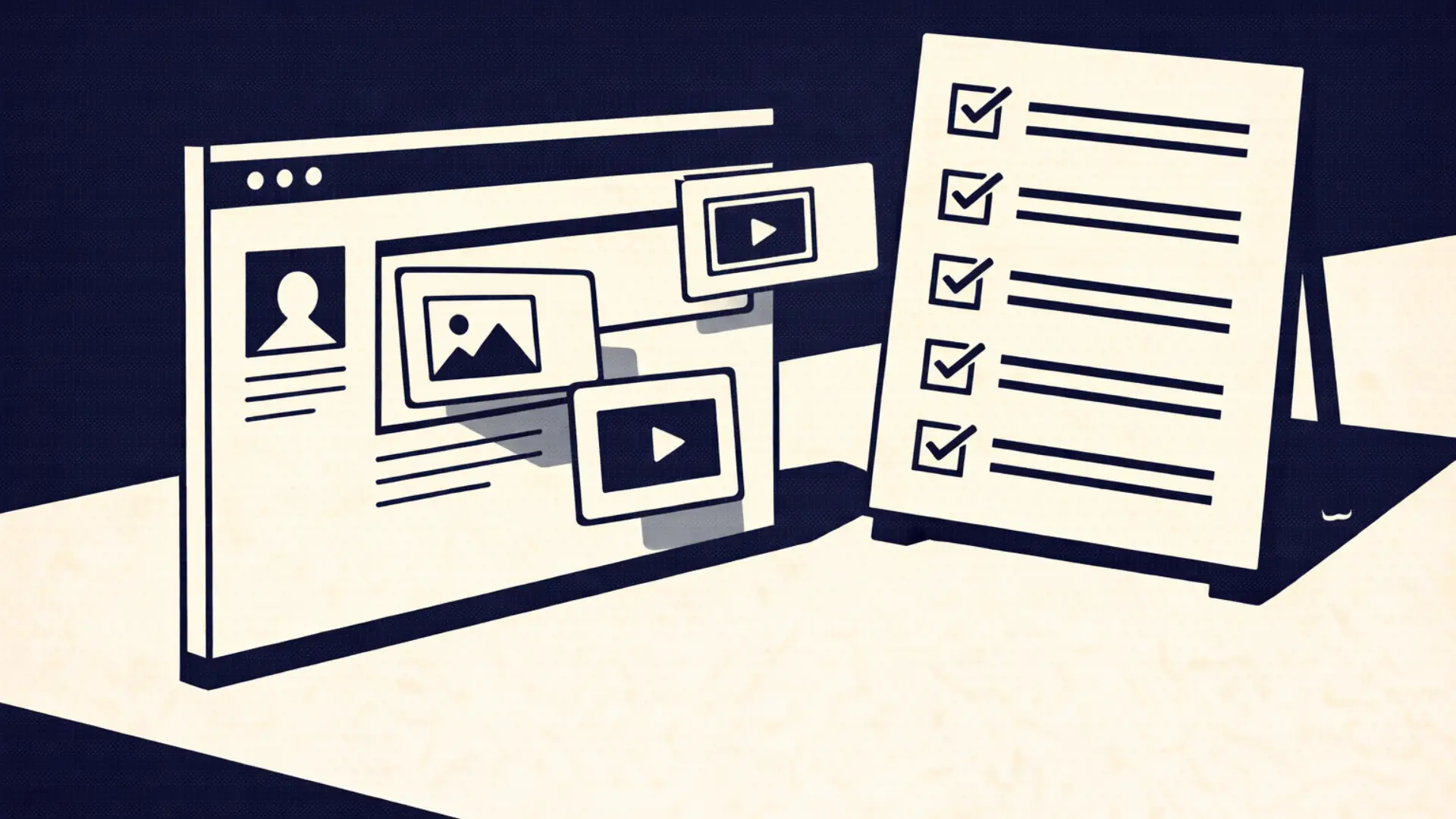
Futuready Website Success Checklist
Before approving your redesign, ensure your new website can confidently answer "yes" to these questions.
- Is the website fully responsive across devices?
- Does it load quickly?
- Is navigation simple and intuitive?
- Are services explained clearly?
- Are calls-to-action visible on every important page?
- Does the website reflect your current brand identity?
- Is technical SEO properly implemented?
- Can your internal team update content easily?
- Is visitor behaviour measured through analytics?
- Can the website scale as your business grows?
A redesign that satisfies these requirements is far more likely to support sustainable business growth.
The Future of Business Websites
Websites are evolving from static information hubs into intelligent digital experiences.
Over the coming years, businesses can expect greater emphasis on:
- AI-powered personalization
- Voice and conversational search optimization
- Interactive user experiences
- Accessibility-first design
- Privacy-focused data collection
- Headless content management systems
- Progressive Web Apps (PWAs)
- Predictive customer experiences
- Faster, lightweight architectures
- Seamless integration with business systems
Organizations that modernize their websites today will be better positioned to adapt to tomorrow's digital expectations.
Final Thoughts
Investing in Website Redesign Services is not about following design trends or giving your business a fresh visual identity.
It is about creating a website that works harder for your business.
A modern website should build trust, communicate value, guide visitors effortlessly, and support measurable business objectives.
Whether your goal is generating leads, improving online sales, strengthening brand credibility, or supporting future expansion, your website should become one of your most valuable digital assets.
Businesses that regularly evaluate and improve their online presence stay competitive because they adapt to changing customer expectations rather than reacting after opportunities have already been lost.
The best websites are never truly finished.
They continue evolving alongside the businesses they represent.
Commonly asked.
Honestly answered.
Common indicators include outdated design, poor mobile responsiveness, slow loading speeds, declining conversions, outdated content, and difficulty managing the website.
While there is no fixed timeline, businesses should evaluate their website regularly. Significant changes in technology, branding, customer expectations, or business goals may indicate it's time for an upgrade.
If managed correctly, a redesign can improve SEO by enhancing site structure, page speed, mobile usability, and technical optimization. Proper URL redirects and content preservation are essential during migration.
Project timelines depend on the size and complexity of the website. Planning, design, development, testing, and content migration all influence the overall schedule.
A comprehensive redesign should include user experience improvements, responsive design, technical SEO, performance optimization, security enhancements, content updates, analytics integration, and conversion-focused layouts.
Yes. Better navigation, stronger messaging, faster performance, clear calls-to-action, and optimized landing pages often contribute to increased enquiries and conversions.
The answer depends on your current platform, business goals, and technical limitations. An evaluation of your existing website can help determine the most effective approach.
User behaviour, search engine algorithms, and business priorities continue to evolve. Regular updates and performance reviews help ensure the website remains effective over time.