What Is a Growth-Driven Website? Beyond Traditional Web Design
Most businesses approach their website the same way they approach a renovation project. Plan extensively, build everything at once, spend heavily, and then leave it alone for the next few years. It sounds logical. In practice, it produces websites that are outdated the moment they go live, built on assumptions rather than evidence, and treated as a cost rather than an ongoing business tool. Growth-driven web design is a different way of thinking entirely, and for growing businesses, it is increasingly the smarter one.
Traditional web design follows a familiar pattern. A brief is written, a full website is designed and developed over several months, it launches, and then it largely stays as it is until the next big rebuild cycle comes around. The process is expensive upfront, time-consuming, and carries significant risk because every decision is made before a single real user has interacted with the new site.
By the time a traditional website launches, business priorities may have already shifted. Audience behaviour changes. Competitors evolve. And the assumptions baked into the original design may not hold up once real traffic arrives. This is where the traditional model consistently falls short. Our web development team has seen this pattern repeatedly with companies that come to us frustrated by sites that look polished but no longer perform.
What Growth-Driven Design Actually Means
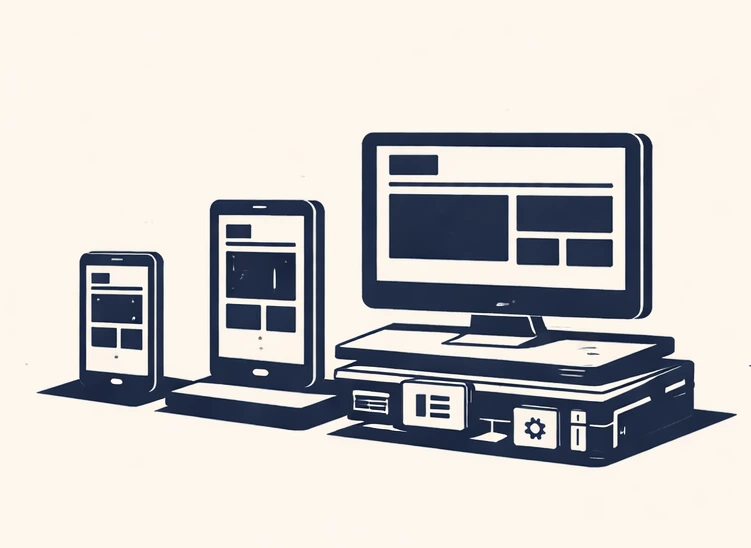
A growth-driven website is built on a different set of principles. Instead of attempting to create the perfect website in a single project, the approach starts with a lean but fully functional launch pad site that goes live quickly. This initial version focuses only on what matters most, the pages and features that drive real business outcomes, and gets the site in front of users as fast as possible.
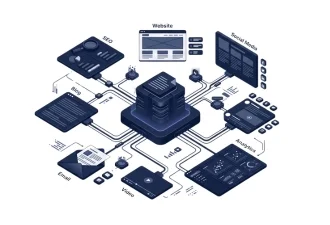
From there, continuous improvement takes over. Using real user data, behaviour analytics, and performance metrics, the site is refined and expanded in focused cycles. Every change is informed by evidence, not opinion. Every update is prioritised by potential impact. This is what separates agile web design from the traditional model: the website becomes a living, evolving asset rather than a static project that ages quietly in the background.
Why Data-Driven Design Performs Better
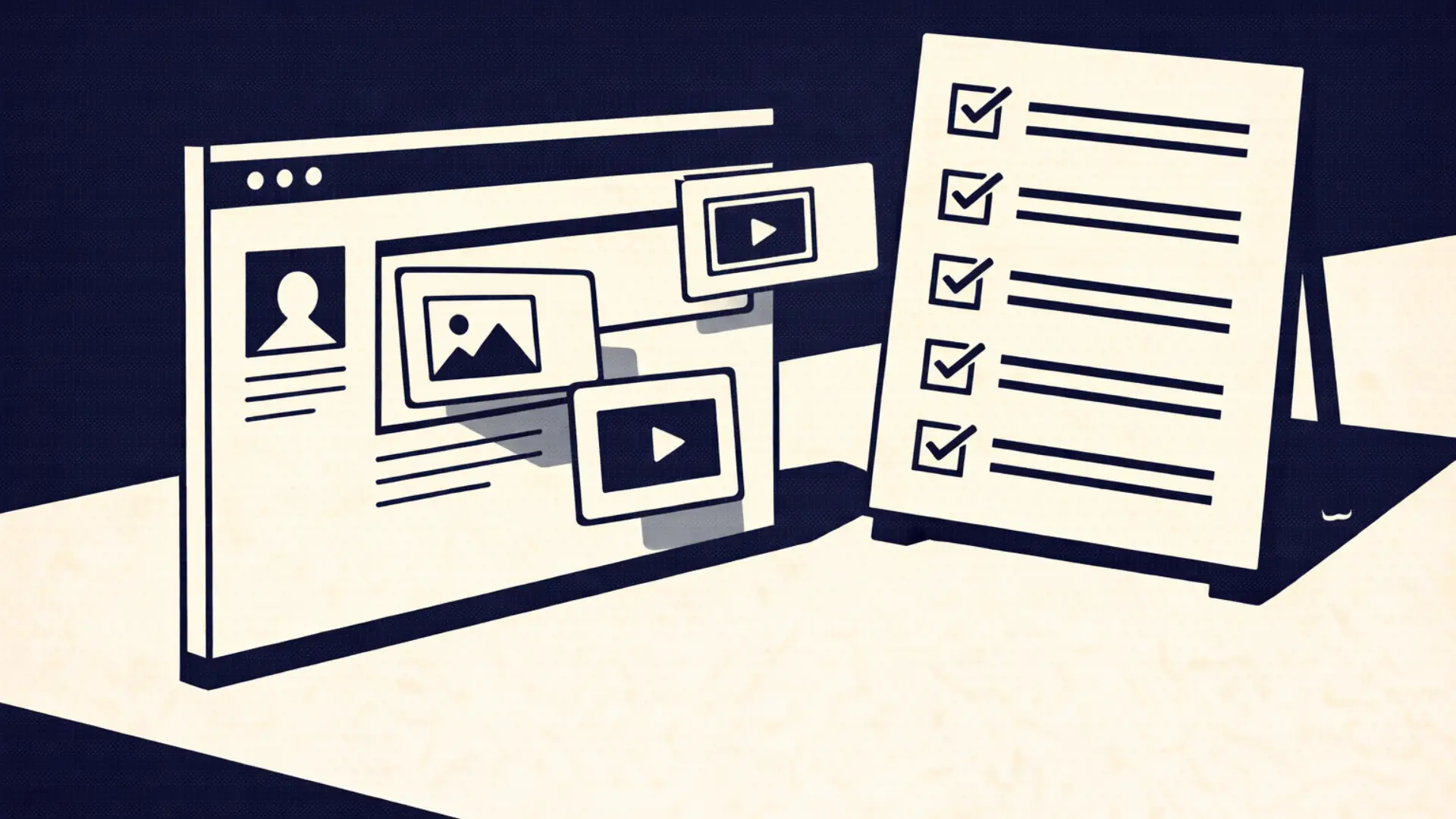
The core advantage of a growth-driven website is that it removes guesswork from the equation. When decisions about layout, content, calls to action, and user flow are driven by how actual visitors behave, the outcomes are measurably stronger than sites built on assumptions alone. If you are currently planning a website update and want to approach it strategically from the start, our website redesign checklist walks through the 12 steps that make the difference between a site that simply launches and one that actually performs.
Data-driven design also aligns naturally with how modern businesses operate. Priorities shift. Audiences evolve. New services emerge. A website built to adapt to these changes as they happen is far more valuable than one that needs a complete rebuild every time something significant moves.
The Three Stages of a Growth-Driven Website
Strategy. Before anything is built, a clear understanding of the audience, their behaviour, and the business goals the website needs to support is established. This stage defines the foundation everything else is built upon.
Launch pad. A focused, high-quality version of the site is built and launched quickly, typically in a fraction of the time a traditional website takes. It is not the final product, it is the starting point.
Continuous improvement. Working in regular sprint cycles, the site is analysed, updated, and optimised based on real performance data. Each cycle builds on the last, compounding results over time. Understanding what drives users to act within each page is part of this process. Our piece on what makes landing pages perform covers the specific elements that matter most at the page level.
For businesses tired of investing heavily in websites that underperform or become outdated within a year, growth-driven design offers a more intelligent and sustainable alternative. If you want to explore what this approach could look like for your business, get in touch with our team.
Commonly asked.
Honestly answered.
A growth-driven website is built using an iterative, data-driven approach where the site launches quickly as a foundational version and is continuously improved over time based on real user behaviour, analytics, and business goals rather than assumptions.
Traditional web design is a one-time, large-scale project that takes months to complete and is then left largely unchanged for years. Growth-driven design launches faster with a lean foundation and continuously evolves based on real data, making it more responsive to user needs and business changes.
Continuous improvement in web design means making regular, data-informed updates to a website after launch, such as refining page layouts, improving conversion paths, updating content, and testing new elements to consistently improve performance over time.
Yes. Growth-driven design is particularly well-suited for small and mid-sized businesses because it reduces the large upfront cost of a full website rebuild, gets a functional site live faster, and allows budget to be spread across ongoing improvements rather than one single project.