HCL
Reach Amplified, Potential Unlocked

Enterprise Demand Generation Is a Systems Problem
HCL Technologies has been building enterprise IT services since 1976. It operates across managed services, software products and business process outsourcing for large organisations globally. The buyer for something at this scale, whether that is the CIO, the CTO or the VP of Digital Transformation at a company large enough to need managed IT services, is among the hardest people in B2B marketing to reach, qualify and move efficiently toward a commercial conversation.
Scaling demand generation across 12 global markets simultaneously while improving the quality of MQLs reaching the sales team, all with measurable improvement in cost efficiency, called for a technical programme rather than a creative one. The wins come from architecture, attribution and relentless optimisation rather than from a single breakthrough idea.
Measuring the Wrong Thing First
Before a single campaign was touched, the attribution model was examined. HCL was running last click attribution. In an enterprise B2B environment where a prospect might interact with seven or eight pieces of content across LinkedIn, Google, email and the website before filling in a form, last click dramatically misattributes credit and therefore misallocates budget.
The content that was generating assisted conversions but receiving no last click credit was being underfunded. The channels that were capturing the final click but not doing the heavy lifting of the consideration journey were being overfunded. Moving to a data driven attribution model changed the budget allocation picture immediately, before any campaign was redesigned.
How we
solved it.
Google and LinkedIn campaigns were restructured with proper market level segmentation. Each of the 12 markets received its own audience research, its own creative strategy and its own performance benchmarks. Enterprise buyer profiles were defined by company size, industry and role to ensure spend was reaching senior decision makers at companies of genuine commercial fit rather than a broad technology audience.
Creative was built around specific pain points matched to specific audiences. Security complexity for IT leaders facing compliance pressure. Legacy system migration for companies running out of time on old infrastructure. Cloud cost optimization for finance leaders trying to get control of spiralling technology spend. Each message was matched to the person most likely to be experiencing that exact problem right now.
Every campaign had a dedicated landing page that continued the conversation the ad had started. Generic homepage destinations were replaced with purpose built pages showing the specific evidence most relevant to that buyer type and a clear, low friction conversion action.
CRM integration ensured every captured lead entered the sales team's workflow with full context including which campaign, which market, which content touchpoints and a quality score based on firmographic fit and engagement depth. That gave the sales team what they needed to prioritise follow up intelligently rather than working through a flat, undifferentiated list.
The work,
in view.
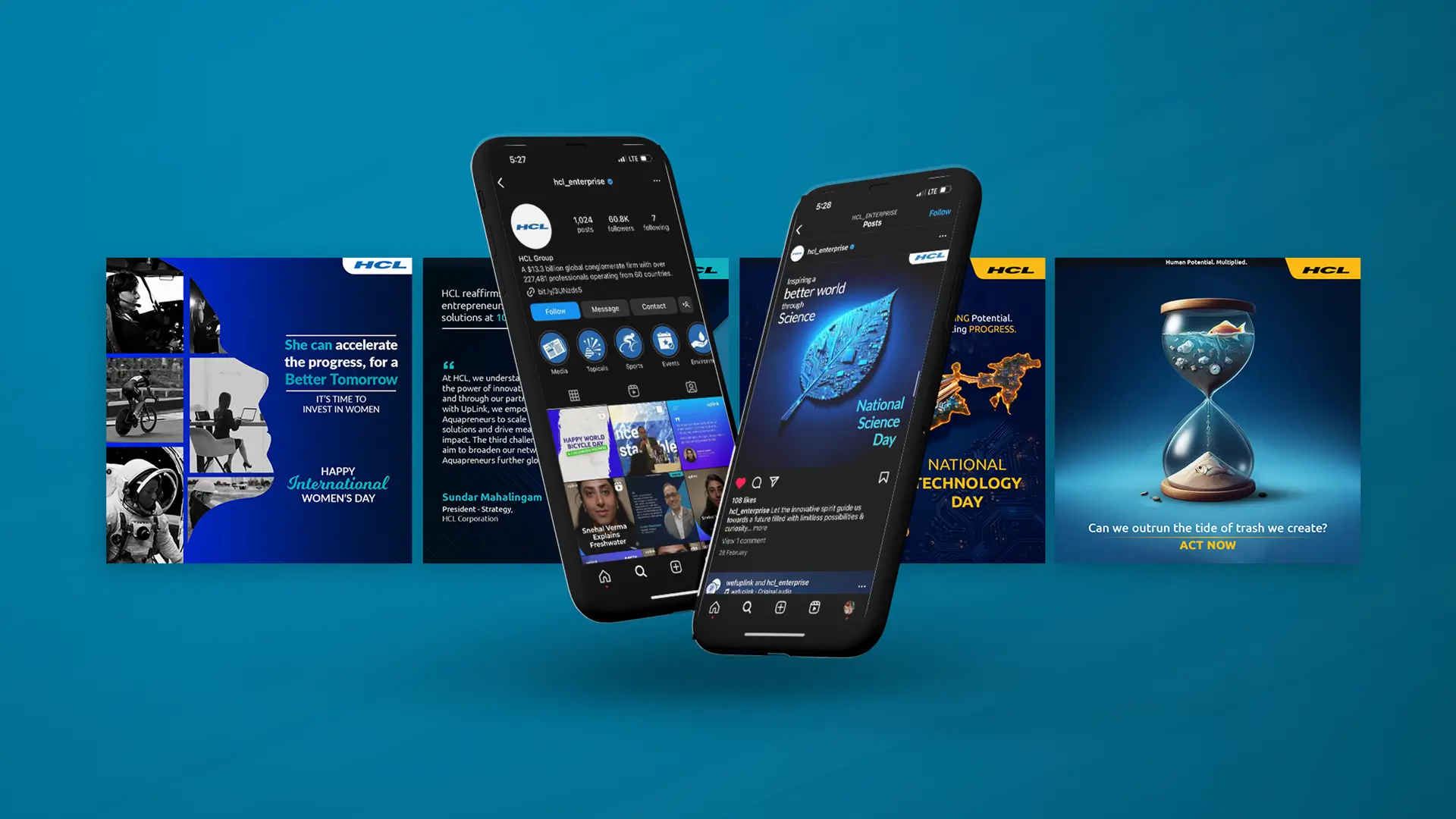
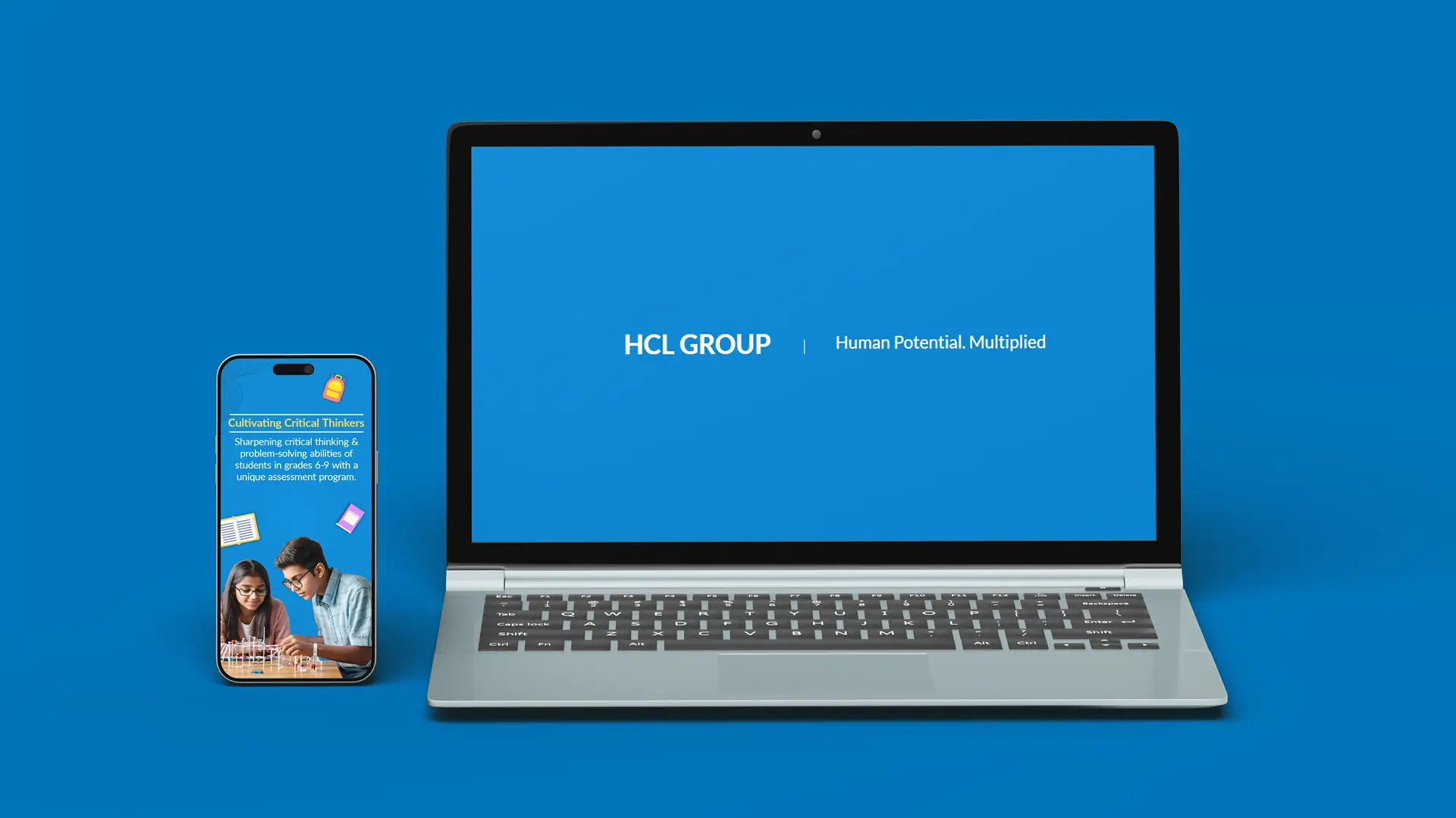
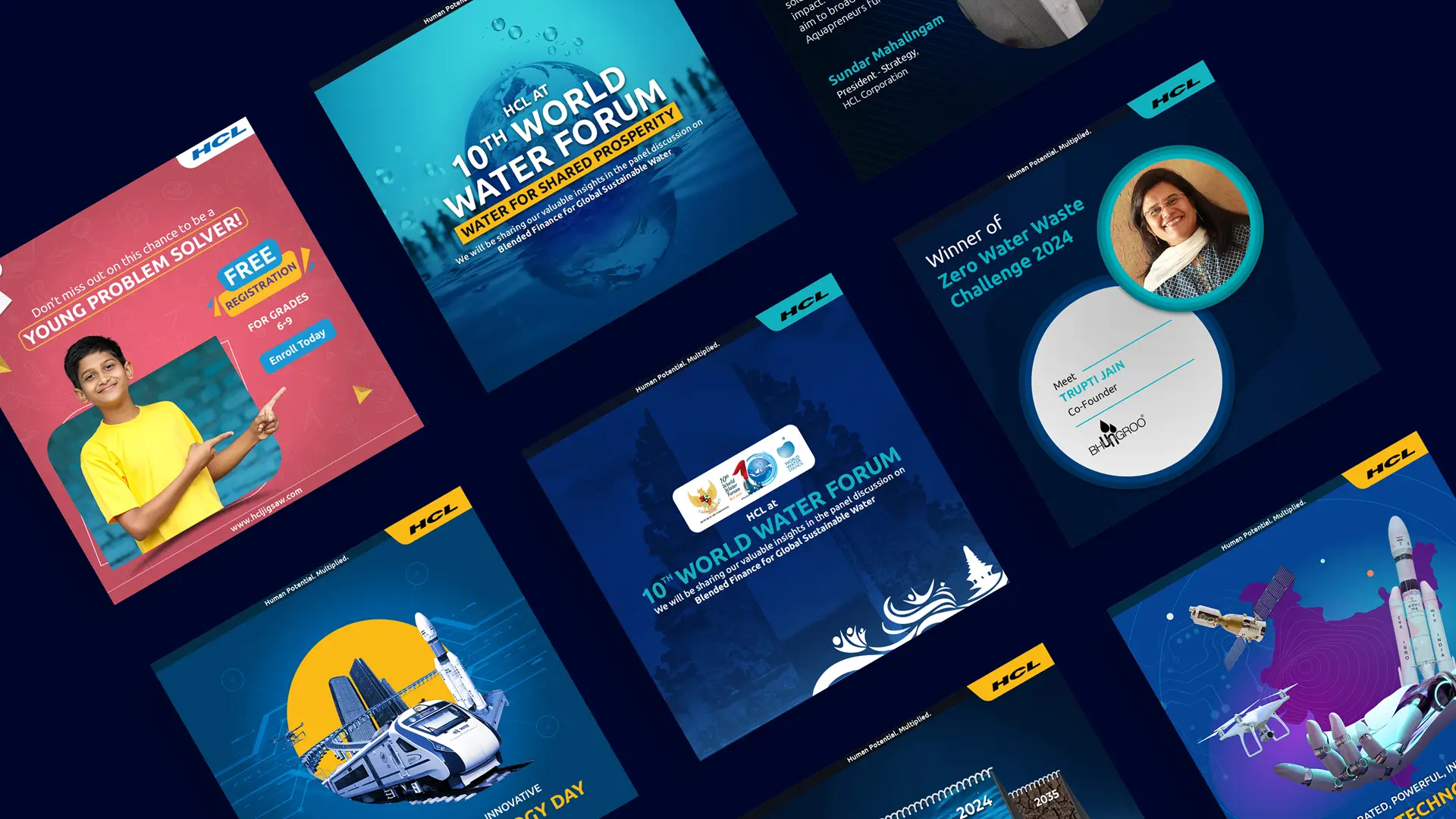
The HCL Technologies
outcome.
Qualified leads grew by 45% year on year. ROAS across Google and LinkedIn reached 4.2x. Cost per MQL fell by 38%. The improvement held consistently across markets rather than being carried by a single region, which matters considerably for a business with a genuinely global growth agenda, much like the account based discipline we brought to Godrej Koerber's eight logistics markets and Reliance Group's multi vertical communications at conglomerate scale.