How Digital Marketing Agencies Help Brands Prepare for the Festive Season
The festive season can create some of the biggest sales opportunities of the year.
Diwali, Navratri, Dussehra, Christmas, New Year, Raksha Bandhan, Eid, and regional celebrations bring changes in customer behaviour, purchasing intent, online searches, advertising competition, and promotional activity.
For brands, this creates an opportunity to generate more sales, acquire new customers, strengthen brand awareness, and reconnect with existing audiences.
But festive success rarely happens by simply launching a discount campaign a few days before the festival.
Customers are exposed to thousands of promotional messages during this period.
Brands compete through search advertisements, social media, influencer campaigns, email, WhatsApp, websites, marketplaces, videos, and offline promotions.
The businesses that perform well are usually the ones that prepare before the competition reaches its peak.
This is where a Festive Digital Marketing Agency can become a strategic growth partner.
Rather than treating festive marketing as a short-term promotional activity, an experienced agency can help businesses plan campaigns, understand customer behaviour, develop creative assets, manage advertising, optimize websites, monitor performance, and improve campaigns throughout the season.
The result is a coordinated approach where every digital channel contributes toward the same commercial objective.
Why Festive Season Preparation Should Start Early
One of the biggest mistakes brands make is starting festive campaigns too late.
By the time competitors have launched advertisements, published gift guides, partnered with influencers, and built remarketing audiences, late starters may already be fighting for expensive advertising inventory.
Early preparation creates several advantages.
It provides time to:
- Analyze previous festive campaigns
- Understand customer behaviour
- Identify priority products
- Develop promotional offers
- Create landing pages
- Prepare creative assets
- Build audiences
- Test advertisements
- Develop content
- Configure tracking
- Prepare remarketing campaigns
The goal isn't simply to launch early.
It's to learn early.
Campaigns can be tested before the highest-demand period, allowing businesses to optimize their messaging and budgets before competition becomes intense.
Festive Marketing Starts With Business Objectives
Before creating creatives or advertisements, an agency should understand what the business wants to achieve.
Different brands may have very different festive objectives.
For example:
- E-commerce brand — Increase online revenue and average order value.
- Retail business — Increase store visits and festive purchases.
- Hospitality brand — Increase bookings during peak travel periods.
- Beauty business — Increase appointments and festive packages.
- Real estate company — Generate qualified enquiries.
- B2B company — Strengthen relationships and generate sales opportunities.
The objective determines the campaign architecture.
A campaign designed purely around awareness will look very different from one designed to generate immediate transactions.
The Role of a Digital Marketing Agency During the Festive Season
A professional Digital Marketing Agency can coordinate multiple activities under one campaign strategy.
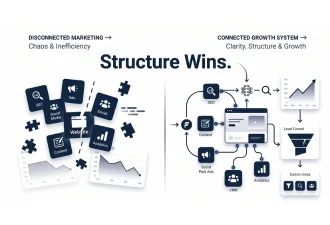
Instead of having separate teams working independently on social media, search, content, advertising, and email, the agency can align them around a common customer journey.
For example:
- Social media — Creates awareness.
- Content — Builds interest.
- Search — Captures existing demand.
- Advertising — Accelerates reach.
- Website — Converts visitors.
- Remarketing — Brings interested users back.
- Email / WhatsApp — Encourages action and retention.
This connected approach reduces fragmented marketing and creates a more consistent customer experience.
Understanding the Festive Customer Journey
Festive shoppers don't always purchase immediately.
Their journey may begin weeks before the actual buying decision.
Stage 1: Discovery
The customer sees a product, brand, video, or recommendation.
Stage 2: Research
They search for alternatives, prices, reviews, and offers.
Stage 3: Consideration
They compare brands and evaluate value.
Stage 4: Purchase
They choose a product, service, or experience.
Stage 5: Post-Purchase
They evaluate their experience and potentially become repeat customers.
A successful campaign supports each stage instead of focusing only on the final transaction.
Building the Right Festive Offer
Festive campaigns often become discount-driven.
Every competitor advertises:
- 20% OFF
- 30% OFF
- BUY 1 GET 1
- FLAT ₹500 OFF
But customers don't necessarily choose the business offering the biggest discount.
An agency can help brands identify more strategic ways to create value.
These may include:
Product Bundles
Combine complementary products to increase perceived value and average order size.
Early Access
Give existing customers or subscribers access to festive offers before the general audience.
Limited Editions
Create products or packages specifically for the festive season.
Loyalty Rewards
Give existing customers exclusive benefits.
Gift With Purchase
Add relevant products or experiences to increase perceived value.
The best festive offer balances customer attractiveness with commercial sustainability.
Developing Festive Creative That Stands Out
During the festive season, customers are bombarded with visual content.
Simply adding traditional decorative elements to a banner isn't enough.
Creative strategy should communicate:
- The brand
- The offer
- The customer benefit
- The urgency
- The reason to choose the product
Content formats can include:
- Short-form videos
- Reels
- Product demonstrations
- Festive product photography
- Customer testimonials
- Founder videos
- Gift guides
- Carousel advertisements
- Influencer content
- Interactive campaigns
Different formats can then be adapted for different platforms.
Festive Marketing Services Across the Customer Journey
A comprehensive approach may include several connected activities.
Search Optimization
Develop seasonal landing pages and content around relevant festive searches.
Paid Advertising
Reach high-intent and relevant audiences through search and social advertising.
Social Media
Build awareness, engagement, and community through festive storytelling.
Content Marketing
Publish gift guides, buying guides, educational resources, and seasonal articles.
Email Marketing
Reconnect with existing customers and communicate personalized offers.
WhatsApp Marketing
Deliver timely messages to customers who have opted into business communication.
Influencer Marketing
Use relevant creators to introduce products to targeted communities.
Website Optimization
Improve landing pages, product pages, checkout journeys, and mobile experiences.
The exact mix should depend on the business rather than following a fixed package.
Seasonal Campaign Management Requires Continuous Optimization
A festive campaign isn't something that should be launched and then left untouched.
Performance can change quickly.
An advertisement may work well during the first week and decline later.
One product may outperform another.
A particular audience may generate stronger conversion rates.
A landing page may have high traffic but poor conversion.
This is why Seasonal Campaign Management requires continuous monitoring.
Agencies can review:
- Cost per acquisition
- Conversion rate
- Return on advertising spend
- Click-through rate
- Revenue
- Lead quality
- Audience performance
- Creative performance
Campaigns can then be adjusted based on actual results.
The Futuready Festive Growth Framework™
A structured festive campaign can follow six stages.
Research
Analyze previous performance, customer behaviour, competitors, market trends, and seasonal demand.
Plan
Define objectives, audiences, offers, channels, budgets, timelines, and measurement criteria.
Create
Develop landing pages, advertisements, videos, social content, email campaigns, and other campaign assets.
Launch
Activate campaigns across relevant channels with appropriate audience segmentation and tracking.
Optimize
Monitor performance and continuously improve budgets, creative, audiences, and conversion experiences.
Retain
Use post-festive communication to turn seasonal buyers into long-term customers.
The final stage is frequently overlooked.
A customer acquired during Diwali can potentially become a customer throughout the year.
How Paid Advertising Supports Festive Growth
Advertising competition typically increases during major festivals.
This makes campaign structure particularly important.
Instead of targeting everyone, businesses can segment audiences based on behaviour and intent.
New Audiences
Reach people who match your ideal customer profile.
Engaged Audiences
Target users who interacted with social media content or videos.
Website Visitors
Reconnect with people who previously visited your website.
Product Viewers
Show relevant products or offers based on previous browsing activity.
Existing Customers
Promote loyalty-focused festive offers.
This layered approach helps businesses allocate budgets more efficiently.
Your Website Becomes the Conversion Engine
Marketing can generate thousands of visitors.
But the website ultimately needs to convert that interest.
Before launching a major festive campaign, businesses should evaluate:
- Page speed
- Mobile usability
- Product information
- Pricing clarity
- Offer visibility
- Trust signals
- Reviews
- Calls-to-action
- Checkout process
- Contact forms
- Payment options
- Delivery information
A campaign can be highly successful at generating traffic but still underperform commercially if the landing experience creates friction.
AI Is Changing Festive Campaign Execution
Artificial intelligence can help marketing teams manage the increased complexity of seasonal campaigns.
AI can support:
- Customer segmentation
- Content ideation
- Ad copy variations
- Product recommendations
- Creative concepts
- Performance analysis
- Audience insights
- Campaign forecasting
- Personalization
For example, a brand could create different messages for first-time buyers, loyal customers, premium customers, and customers who abandoned their carts.
However, human oversight remains essential for brand voice, strategy, cultural sensitivity, accuracy, and final decisions.
Mini Case Study: Preparing a Retail Brand for Diwali
Consider a consumer brand that historically launched its festive campaign only ten days before Diwali.
The business generated sales but struggled with high advertising costs and inconsistent conversion rates.
A new approach began six weeks earlier.
The campaign team:
- Reviewed previous festive data
- Identified high-performing products
- Created segmented customer audiences
- Developed new landing pages
- Produced multiple creative concepts
- Tested advertising messages
- Built remarketing audiences
- Prepared email and WhatsApp communication
- Improved mobile conversion experiences
As the campaign progressed, the team shifted budget toward products, audiences, and creative formats generating stronger commercial results.
The biggest improvement came not from one advertisement.
It came from better preparation and continuous optimization.
Common Mistakes Brands Make During Festive Campaigns
Starting Too Late
Late planning reduces testing opportunities and increases pressure.
Using the Same Creative Everywhere
Different platforms require different formats and communication styles.
Focusing Only on Discounts
Customers also respond to convenience, trust, quality, exclusivity, and relevance.
Ignoring Existing Customers
Returning customers often represent valuable opportunities during festive periods.
Increasing Budgets Without Improving Conversion
More traffic doesn't solve a weak website or poor customer journey.
Forgetting Operations
Marketing should be aligned with inventory, delivery capacity, customer support, and fulfilment.
Stopping Campaigns Immediately After the Festival
The post-festival period can be valuable for retention, reviews, remarketing, and repeat purchases.
How to Choose a Festive Marketing Partner
Before working with an agency, businesses should evaluate more than its portfolio.
Ask:
- Does the team understand our industry?
- Can they analyze previous festive performance?
- Do they develop campaigns around business objectives?
- Can they manage multiple digital channels?
- How do they measure performance?
- How frequently will campaigns be optimized?
- Can they respond quickly during high-demand periods?
- Do they provide transparent reporting?
- Can they coordinate with our internal teams?
- Do they have a post-festival retention strategy?
The strongest partner should be capable of both strategic planning and fast execution.
Festive Campaign Readiness Checklist
Before launch, confirm that your team has completed:
- Campaign objectives
- Audience segmentation
- Product and offer selection
- Creative production
- Landing pages
- Tracking setup
- Advertising audiences
- Remarketing
- Email campaigns
- WhatsApp communication
- Website optimization
- Customer support preparation
- Inventory planning
- Performance dashboards
- Post-festival retention plan
This preparation reduces avoidable problems during the busiest part of the campaign.
What Happens After the Festive Season?
The campaign shouldn't end when the festival ends.
This period generates valuable first-party customer data.
Businesses can identify:
- New customers
- Repeat buyers
- High-value customers
- Popular products
- Strong audience segments
- Best-performing creative
- Customer preferences
These insights can influence campaigns throughout the following year.
Post-festival activities can include:
- Thank-you communication
- Review requests
- Loyalty offers
- Cross-selling
- Personalized recommendations
- Retargeting
- Repeat-purchase campaigns
The objective is to turn a seasonal transaction into a long-term relationship.
Final Thoughts
The festive season creates enormous commercial potential, but successful campaigns require considerably more than attractive creatives and promotional discounts.
Brands need preparation, audience intelligence, strong offers, coordinated channels, optimized websites, continuous performance management, and a clear post-festival strategy.
A capable agency can bring these elements together into one connected growth system.
The most effective festive campaigns don't simply ask customers to buy.
They understand why customers are buying, what influences their decisions, and how the brand can remain relevant throughout the entire journey.
With the right strategy, festive marketing can generate more than short-term revenue.
It can create new customers, strengthen brand recognition, build valuable first-party data, and establish relationships that continue long after the celebrations are over.
Commonly asked.
Honestly answered.
An experienced agency can help businesses plan campaigns, develop creative assets, manage advertising, optimise websites, segment audiences, monitor performance, and coordinate multiple digital channels.
Planning should ideally begin several weeks before the festival to allow time for research, creative development, audience preparation, testing, and optimization.
Services may include search optimization, paid advertising, social media, content creation, email marketing, WhatsApp campaigns, influencer marketing, landing-page optimization, analytics, and remarketing.
Brands can differentiate through relevant offers, strong storytelling, personalisation, unique creative concepts, customer experiences, product bundles, and clear value propositions.
Both can be valuable. New customers support acquisition and growth, while existing customers can provide opportunities for repeat purchases and stronger lifetime value.
Remarketing helps reconnect with people who have already interacted with a brand, making it particularly useful when customers research multiple options before purchasing.
Businesses should track revenue, conversions, customer acquisition cost, return on advertising spend, lead quality, average order value, engagement, and repeat purchases.
They should analyze performance, communicate with customers, request feedback, build loyalty, retarget relevant audiences, and use campaign insights to improve future marketing.